How Design Assist Transforms Large-Span Architecture (I)
Defying Gravity in Glass: How Design Assist Transforms Large-Span Architecture
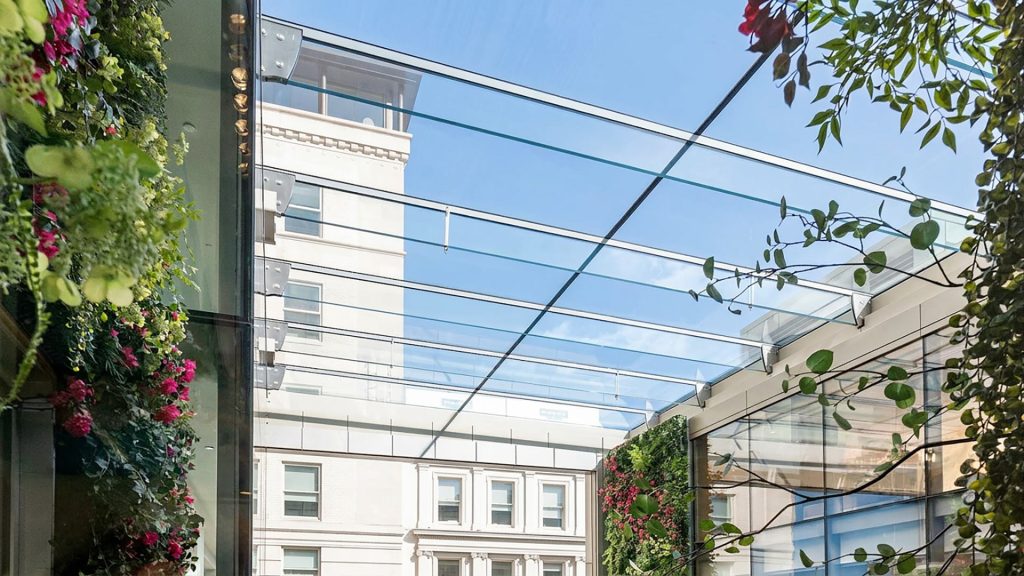
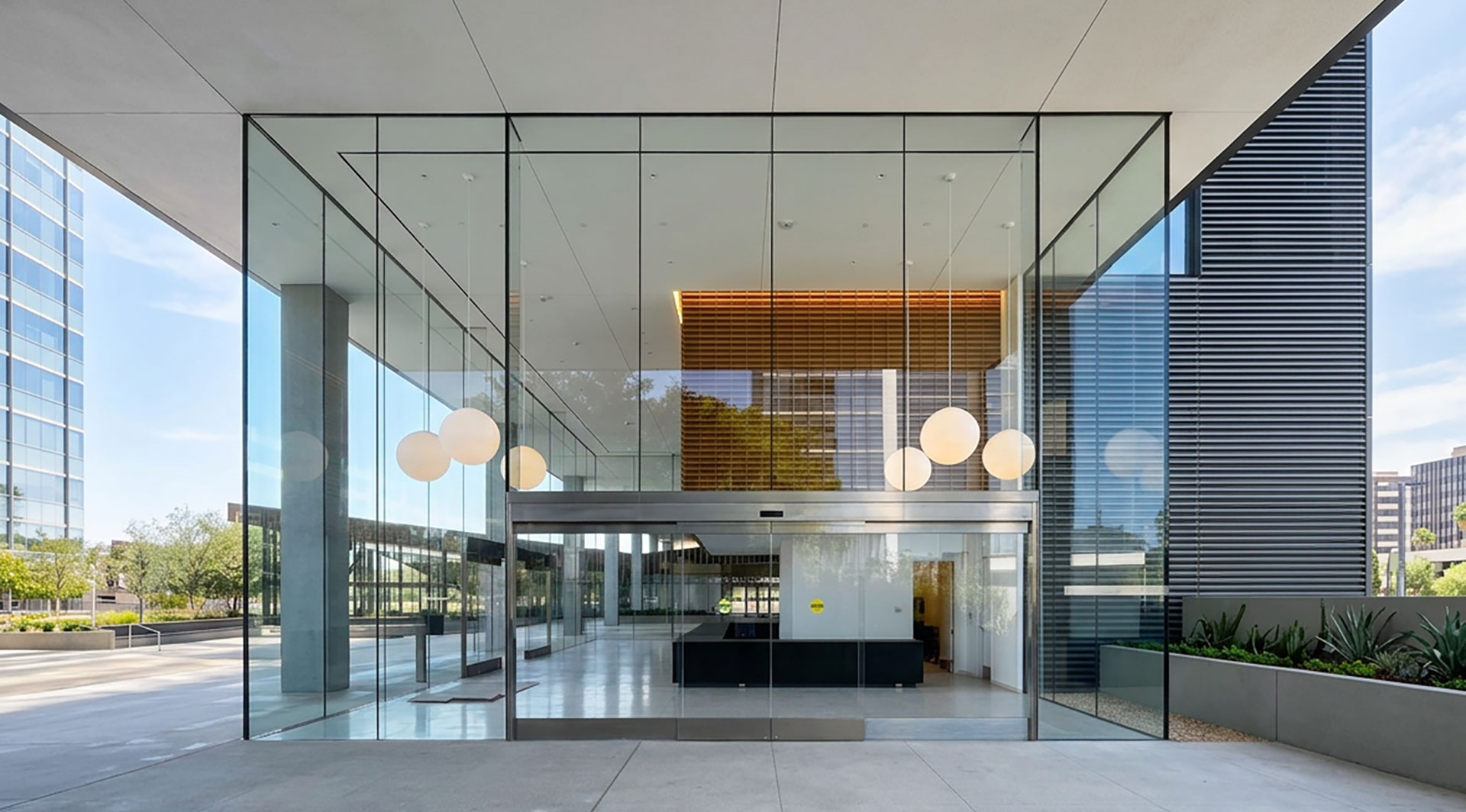
In modern architecture, the push toward maximum transparency and natural light have never been stronger. Today’s architects and building owners desire expansive, uninterrupted glass facades, bright building entrances, welcoming atriums, and stunning entrance canopies. Translating these ambitious visions into built realities can be challenging for the design community. Complex structural glazing requires more than just advanced façade engineering, it demands fully integrated, early expert collaboration to achieve both the design intent and budget goals.
At Sentech Architectural Systems, we have spent 20 years pioneering innovative possibilities in façade architecture. We understand that bringing complex structural glass designs to life is an intricate balancing act between aesthetics, structural integrity, constructability, and budget. This is where our Design Assist services can add value to all stakeholders: by partnering with the design team early in the design process and sharing our decades of façade design and manufacturing experience, our goal is to streamline the design delivery process, embrace the architectural vision, and consider budget constraints, energy performance, and sustainability goals.
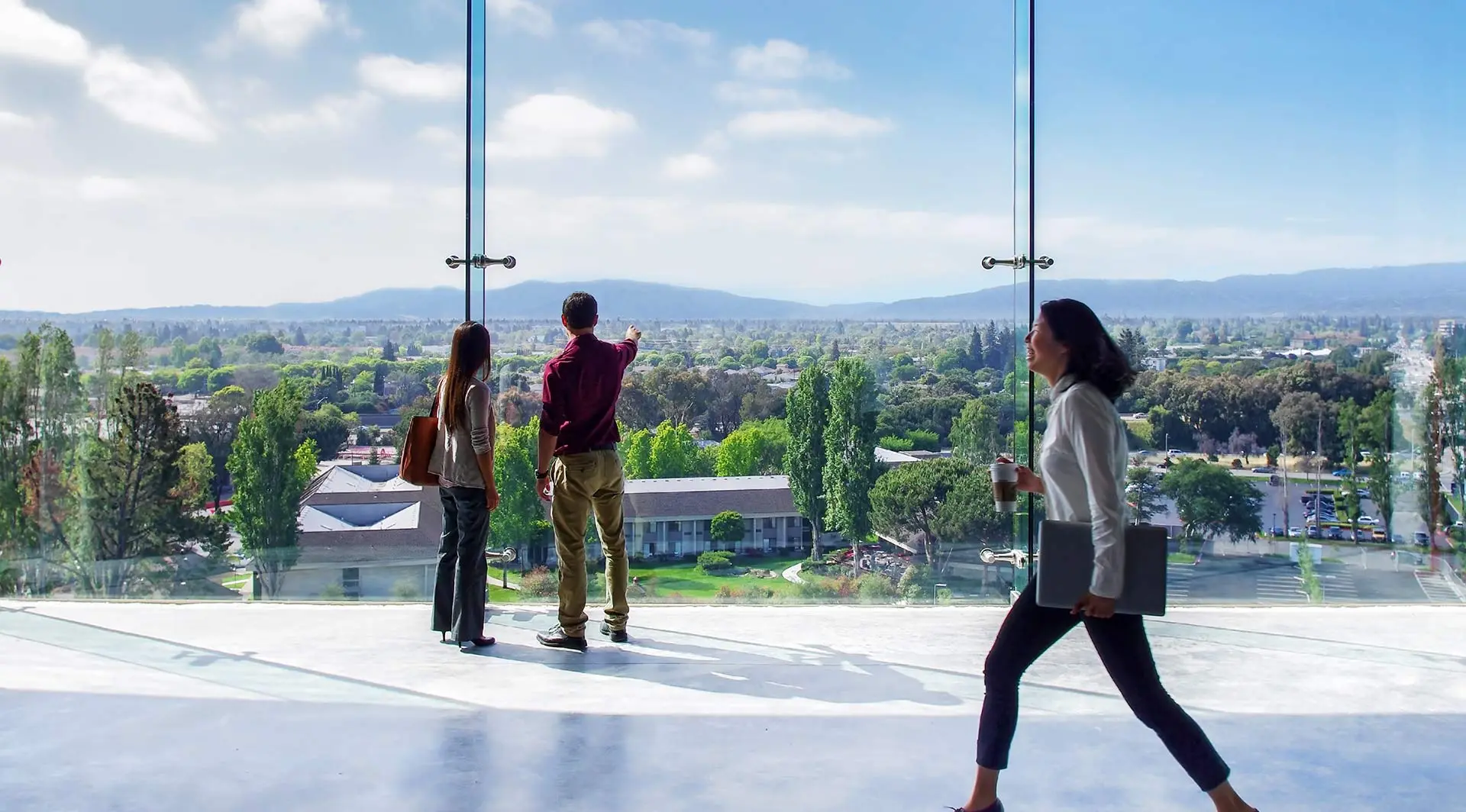
Invisible Support: Maximizing Daylight and Unobstructed Views
Structural glazing is fundamentally different from traditional curtain wall systems. When you introduce large spanning structural glass systems, whether it is a multi-story glass fin wall, a tension cable net system, or mullion-free massive jumbo glass panels, the engineering challenges can escalate rapidly. The glass is no longer just a barrier; it is a structural element that is an integral part of the façade support structure, it contributes to the façade stability and is often designed to carry substantial environmental loads.
In traditional “design-bid-build” project delivery models, the architectural team often completes the design before contractors and other commercial interests are assembled for input. For complex structural glazing, a fragmented approach can lead to less than optimum outcomes. Critical details such as load distribution and support stiffness constraints, optimized structural design and material selection, facade frequency optimization, installation logistics, and budget validation are often left unresolved until bid time. By then, solving these issues inevitably leads to delayed schedules, change orders, and the dreaded “value engineering” process, which frequently compromises the architect’s original aesthetic intent.
Collaboration: From Concept to Completion
At Sentech, we embrace the concept that Design Assist is a highly collaborative project delivery approach where specialty glass engineering firms, like us, partner with design teams during the early stages of a project, often during the Schematic Design (SD) or Design Development (DD) phases. During the Design Assist process, we collaborate with the architect, the general contractor, the engineering team, and consultants to provide critical input on feasibility, design options, structural limits, and cost forecasting as the design is developed.
Unlike delegated design, where a specific structural challenge is simply handed off to a contractor during the bid process, Design Assist is a proactive, cooperative partnership. Our Design Assist program aligns the architectural design intent with budget goals by utilizing our 20 years of industry knowledge, glass design expertise, advanced façade design experience, 3D parametric modeling knowledge and structural testing experience to analyze the facade holistically, from preliminary concept to final design.
FAQs
What is the difference between Design Assist and Delegated Design in structural glazing?
Delegated Design transfers the legal and design responsibility of a specific system to the contractor late in the project, often leading to coordination clashes and cost overruns. Design Assist is an early-stage, collaborative partnership where Sentech works alongside the design team to optimize the system before bidding, ensuring seamless integration and cost control.
When is the ideal time to engage Sentech for Design Assist services?
The ideal time to engage our firm is during the Schematic Design (SD) or early Design Development (DD) phases. Engaging us early allows us to influence the structural grid, optimize glass sizing, and prevent design-rework or budget issues before construction documents are finalized.
Can Sentech assist with custom-engineered supporting members and hardware for large-span glass?
Yes. We specialize in custom-designed connection hardware and specialized glass-supporting steel structures tailored to the unique aesthetic and structural needs of each project.
Check out our unique, landmark structural glass projects!
Related News
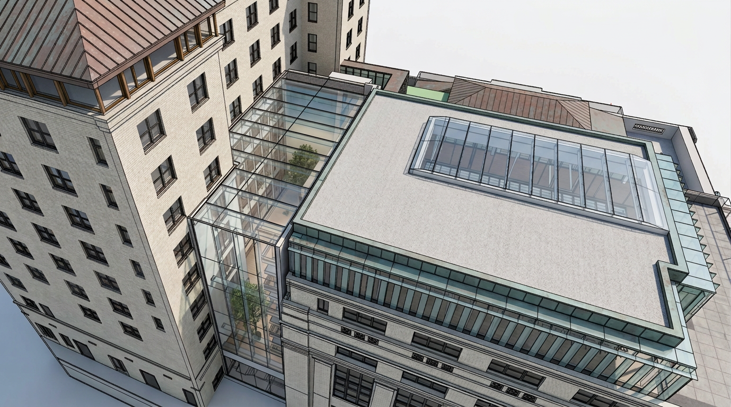
USGlass Magazine’s Project of the Month – The Milken Center

Q&A with Alfonso Lopez, CEO & Founder
20 Years of Transparency