Part III: Designing HVHZ-Compliant Structural Glass Systems
Achieving Jumbo Transparency in the Florida Market
Florida’s coastline presents one of the most demanding environments for architectural design in the world. High-Velocity Hurricane Zones (HVHZ) demand uncompromising safety, strictly governed by Florida Product Approval (FPA) and Miami-Dade Notice of Acceptance (NOA) requirements. For architects and general contractors, the challenge is clear: how to achieve breathtaking, expansive transparency without sacrificing structural integrity or compliance.
At Sentech Architectural Systems, we know that bridging the gap between aesthetics and rigorous code demands requires more than just high-quality glass. It requires highly specialized, early-stage engineering anchored on existing NOA approved systems.
Invisible Strength: Structural Glass Fin Connections & Transparency
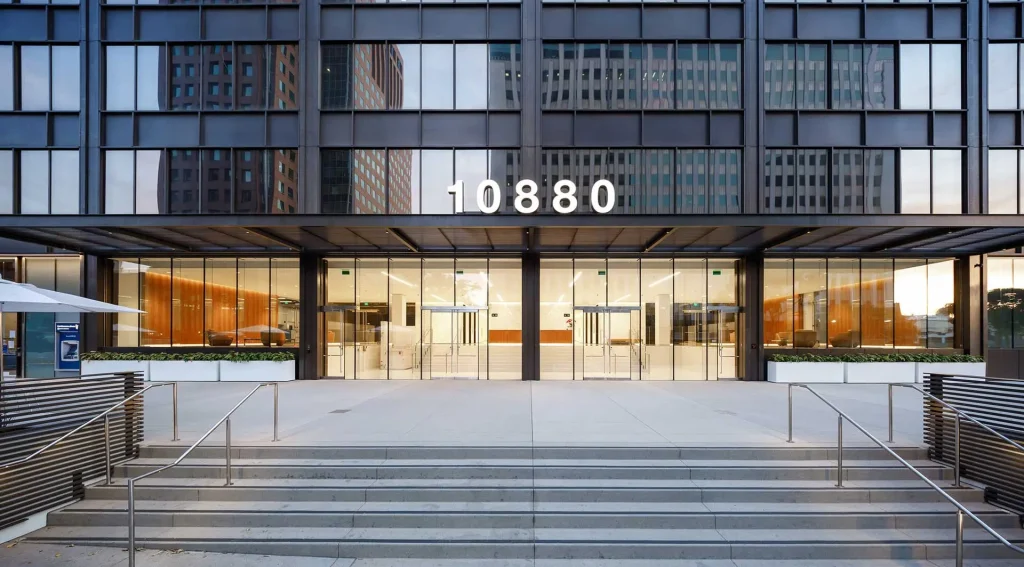
Glass Facades in a High-Velocity Hurricane Zone (HVHV) requires advanced facade engineering. Traditional impact glazing relies on heavy, opaque metal mullions to capture the glass edges and transfer massive wind loads back to the building’s floor slabs. VetraFin Impact exchanges intrusive aluminum profiles with structural glass fins or sleek steel mullions, utilizing highly engineered connection details that maintain near-total transparency.
Sentech’s NOA approved system relies on the bending strength of glass and advanced interlayer technology to maximize size of the glass panels. Our engineering team used advanced energy models to predict breakage behavior before testing, designed the system for redundant structural behavior, and optimized post-breakage behavior, while relying on hidden structural silicone connections to secure the façade panels. The result is a groundbreaking, highly transparent solution that can be used for a variety of applications, including specialty structural glass facades, expansive lobby entrances, soaring glass fin walls, and clear-span cable net structures.
Let’s Build It Right from the Start
Navigating the complexities of Florida’s hurricane codes requires a partner who understands both the art of design and the science of advanced façade engineering in demanding load environments. At SENTECH, our significant R&D in impact-resistant testing, combined with our hands-on design approach, transforms complex architectural concepts into constructible realities.
By bringing our team early in your design development, we can help align your vision with tested systems to deliver smartly design engineered products with no surprises later during the project delivery phase.
FAQs
What is the tallest single-span hurricane-impact structural glass system available?
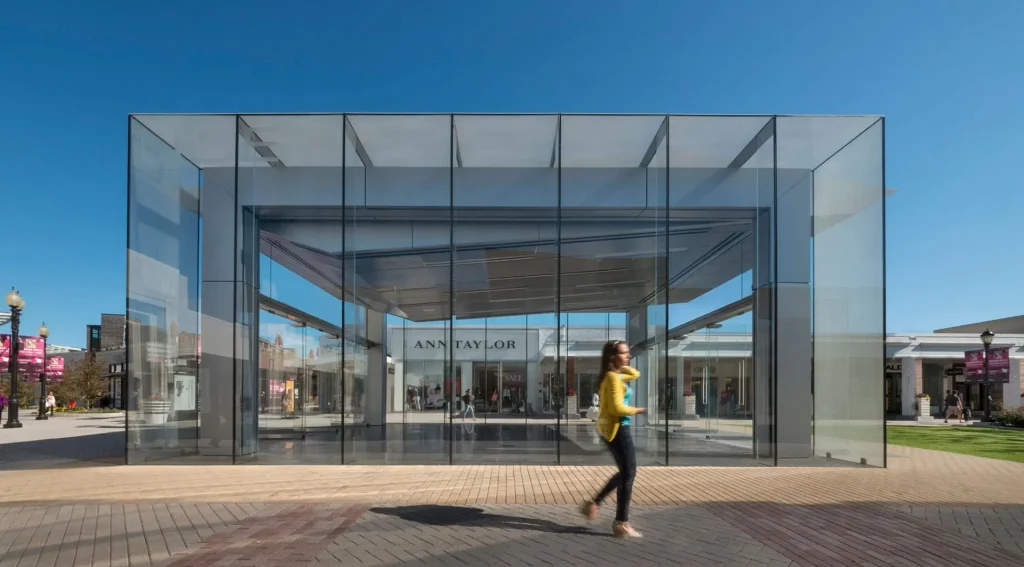
The tallest single-span Florida-approved hurricane-impact facade on the market is Sentech’s VetraFin Impact system. It supports single-span glass face panels up to 28 feet in height and 10 feet in width, providing transparency for High-Velocity Hurricane Zones (HVHZ) without the need for horizontal intermediate metal framing.
How do glass fin systems meet Miami-Dade NOA and HVHZ structural requirements?
Glass fin systems meet strict HVHZ and Miami-Dade Notice of Acceptance (NOA) standards by replacing traditional heavy metal mullions with high-strength structural steel or glass fins. Sentech’s system relies on the bending strength of laminated glass, advanced interlayer technology, and hidden structural silicone connections to secure jumbo glass panels while resisting extreme positive and negative wind pressures.
Why is early engineering collaboration crucial for Florida Product Approved (FPA) glazing?
Early design and engineering collaboration is critical because late-stage redesigns in highly regulated Florida markets are incredibly expensive. Engaging an engineering partner early allows for the creation of accurate Rough Order of Magnitude (ROM) budgets during schematic phases, the identification of structural load limitations, and the resolution of clash points before manufacturing.
What are the typical applications for jumbo structural glass systems in hurricane zones?
Jumbo impact-resistant structural glass systems are most frequently utilized in high-end commercial projects, including specialty structural glass facades, lobby entrances, glass fin walls, and clear-span cable net structures where maximizing natural light and safety are simultaneous priorities.
How does Sentech ensure glass safety and post-breakage redundancy?
Sentech’s engineering team utilizes advanced energy models to predict glass breakage behavior prior to physical testing. The systems are designed for redundant structural behavior, optimizing post-breakage performance to ensure the building envelope remains secure and sealed even under maximum environmental stress.
Find out more about Sentech’s high performance impact systems on our Products page!
Related News
20 Years of Transparency
Structural Glass & Sustainability in Complex Historic Renovations
Partnership Announcement: Sentech & Artexture+